
What Does an IT Company Actually Do When Nothing Is Broken?
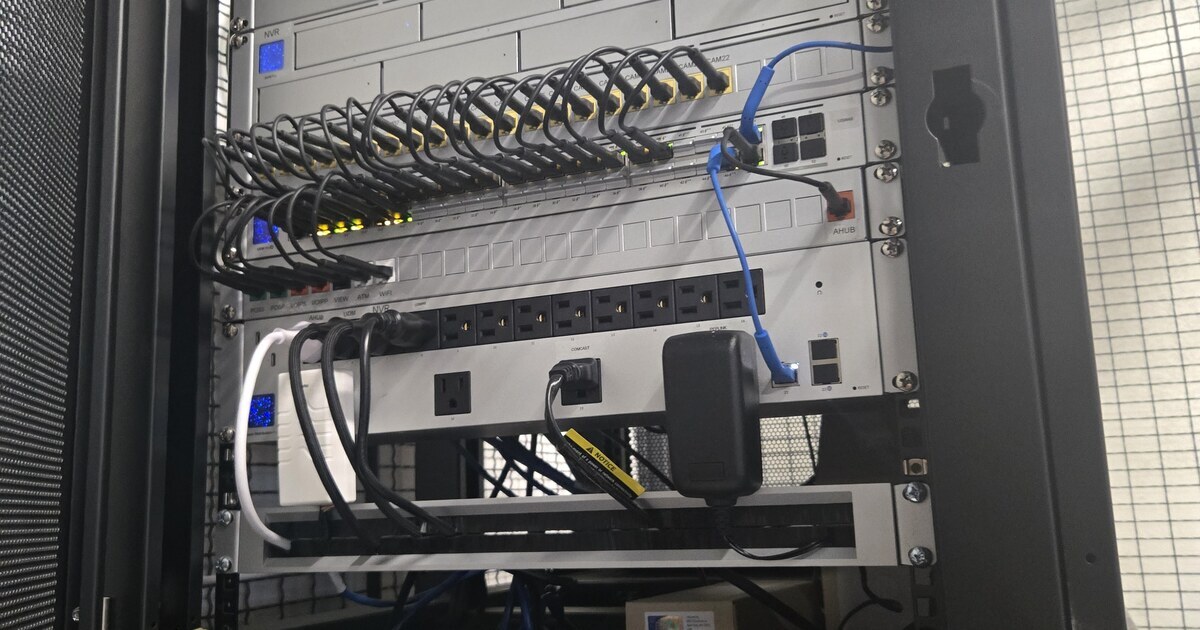
Every so often a business owner asks me a completely fair question:
"Things have been quiet. Nobody's called you in weeks. So... what am I actually paying for?"
I love that question, because the honest answer is the whole point of good managed IT:
The quiet is the product.
When nothing is breaking, when nobody's locked out, when the backups just work and the ransomware email never becomes a ransomware event — that's not luck. That's a lot of unglamorous work happening in the background so it never has to happen in a panic. Here's what that work actually looks like.
Patching and updates — the boring shield
Most successful attacks don't use movie-grade hacking. They walk through a door someone forgot to lock — a known flaw in Windows, a browser, or a common app that already has a fix available.
Keeping every computer and server current on those fixes is tedious, constant, and easy to skip when you're busy running a business. So a managed IT provider does it for you, on a schedule, and checks that it actually applied. You never see it. That's the idea.
Backups — and, more importantly, testing them
Lots of businesses have backups. Fewer have backups that have been tested — because a backup you've never restored is really just a hope with a nice icon.
Part of quiet-week work is verifying that backups are running, that they cover the right things, and that we could actually bring your data back if a drive died or a laptop got stolen tomorrow. The day you need that, you'll be very glad someone was checking it on all the days you didn't.
Monitoring — catching the small thing before it's the big thing
Computers usually warn you before they fail. A drive starts throwing errors. A server runs low on space. A security tool goes offline. A backup silently stops.
Good managed IT watches for those early signals and fixes them while they're small and cheap — often before you'd ever notice. A quiet month frequently means we caught three or four things you never had to hear about.
Security — the work that has no obvious "before"
This is the hardest one to see, because you can't feel an attack that didn't happen.
Behind the scenes there's email filtering catching phishing, multi-factor authentication blocking stolen passwords, endpoint protection watching for malware, and alerts that get investigated at odd hours. (For a real-world example of the kind of thing that's constantly knocking, see our piece on QR code phishing in work email.) When it's working, the story is: nothing happened. That's the best story in this business.
Documentation and housekeeping
Who has access to what. Which software is licensed and current. What's plugged into which switch. When that laptop is due for replacement. Where the important accounts live and how to recover them.
Keeping that current sounds like nothing until the day you have turnover, an audit, an insurance questionnaire, or an emergency — and the answers are already written down instead of trapped in one person's head.
Planning — so next year has fewer surprises
Quiet time is also thinking time. Which computers are getting too old to trust? Is your internet the right fit for how you work now? Is a renewal coming that we should get ahead of? What technology decision is going to land on your desk in six months, and how do we make it a calm decision instead of a scramble?
A provider who only shows up when things break has no incentive to prevent the break. A managed provider's whole job is to make next quarter boring.
So how do you know it's working?
Fair question. A few honest signals:
- Fewer surprises over time, not more.
- You hear about things being handled, not just things being broken.
- When you ask "are we covered on X?", you get a real answer, not a shrug.
- Problems get smaller and rarer, because they're being caught early.
If your IT only ever makes noise when something's on fire, you don't have managed IT — you have a fire department. Both have their place. But one of them is a lot cheaper to live with.
The takeaway
When nothing is broken, a good IT partner is patching, testing your backups, watching for early warning signs, holding the security line, keeping the records straight, and planning for what's next.
The goal isn't to be busy in front of you. The goal is for you to spend as little time thinking about technology as possible — so you can spend it running your business instead.
Quiet isn't the absence of work. Quiet is the work paying off.
— Michael
Your Friendly Neighborhood Tech Guy
Is the quiet "handled," or just "nothing's gone wrong yet"?
A Technology & Security Review is a straightforward look at what's actually covered and what isn't. See how SecureIT managed protection works.