
Your Business Still Has Eight Phone Lines. Do You Need Eight Phone Lines?
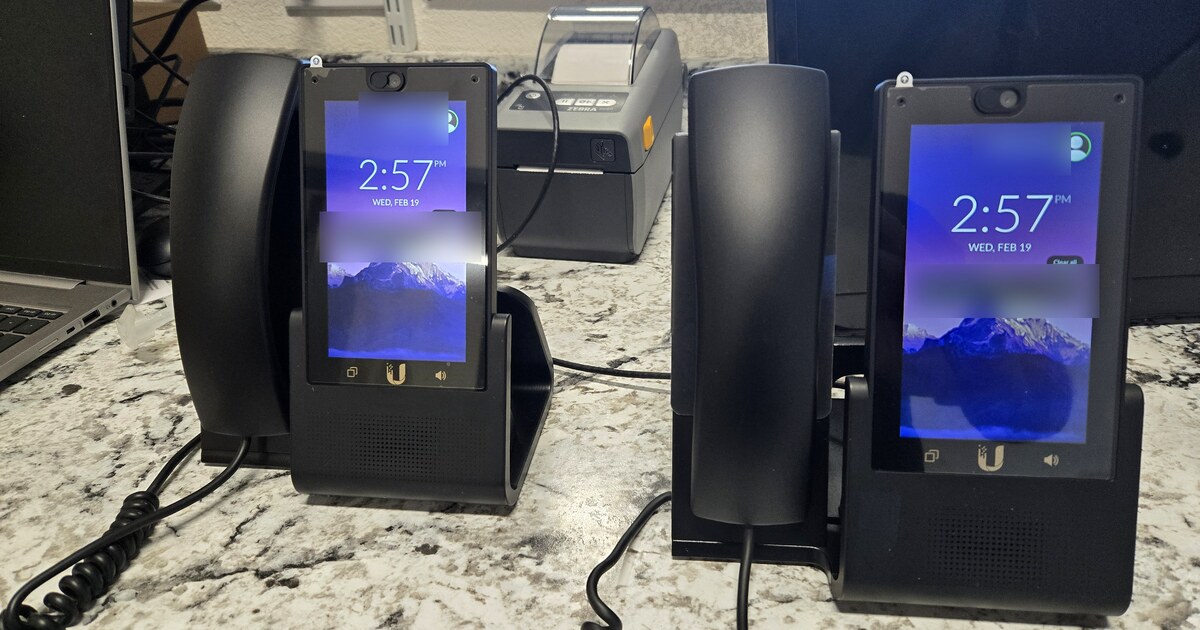
Pull out your phone bill. If you're like a lot of businesses, there's a line item for a handful of "lines" — maybe four, maybe eight, maybe more — and you've been paying for them so long that nobody remembers exactly why.
So let's ask the fair question: do you actually need all of them?
The short answer for most businesses today is probably not — at least not the way you're paying for them now. Here's what those lines really do, and what modern phone systems changed.
What a "line" used to mean
An old-style phone line was a physical circuit into your building. Eight lines meant eight calls could happen at once, and that was that. If all eight were busy, the ninth caller got a busy signal. So businesses bought extra lines as insurance — more lines, more simultaneous calls, more money every month.
That model made sense when phones ran on copper. It makes a lot less sense now.
What modern phone systems do instead
Most business phones today run over your internet connection (you'll hear this called VoIP, cloud phones, or UCaaS). Instead of buying physical lines, you're really buying capacity and features — how many calls at once, plus the smart stuff a copper line never did:
- calls that ring your desk, your laptop, and your cell at the same time
- voicemail that shows up as an email or a text
- an auto-attendant ("press 1 for sales") without special hardware
- easy call forwarding when you're out
- adding or removing a user in minutes, not a service call
- keeping your numbers if you move offices
The result: you usually pay per user, not per physical line, and you stop buying "insurance" lines you rarely use.
So how many do you actually need?
You don't count lines anymore — you count people and how they work. A few honest questions:
- How many people answer or make calls on a normal day?
- How many calls really happen at the same time at your busiest moment? (Usually far fewer than the number of lines you're paying for.)
- Who needs a desk phone, who's fine with an app on their laptop or cell, and who barely uses the phone at all?
- Do you need one main number with an auto-attendant, or several direct lines?
Answer those and the "how many lines" question mostly answers itself — and it's almost always a smaller, cheaper picture than the copper bill you've been paying.
The catches worth knowing
Modern phones aren't magic. Two things matter:
- Your internet becomes your phone line. If the internet goes down, so do the phones — unless you've planned for a backup connection or automatic failover to cell. This is one more reason a second internet connection is worth a conversation.
- Call quality depends on the network. Good business phone service on a properly set-up network sounds great. On an overloaded or poorly configured network, calls get choppy. The phone system and the network are a package deal.
A simple way to find out what you're really paying for
Grab your current phone bill and highlight three things: how many lines you're paying for, how many actual users you have, and whether you're paying for features you never use (or missing ones you'd love). That highlighted bill is usually the whole story — and often a pleasant surprise about how much simpler it could be.
The takeaway
You're probably not paying for phones. You're paying for an old idea of what a phone line is. Modern business phone systems let you pay for the people who actually make calls and the features that actually help — and skip the insurance lines gathering dust on your bill.
— Michael
Your Friendly Neighborhood Tech Guy
Curious what you're actually paying for on that phone bill? A short review will show you what those lines do and what a modern setup would cost. See how we approach business phone systems.